Elephant and Castle station bulky rubbish pickup options
Posted on 14/07/2026
Elephant and Castle station bulky rubbish pickup options: a practical local guide
If you are trying to clear a sofa, mattress, broken desk, or a few awkward bits of bulky waste near Elephant and Castle station, the problem is rarely the rubbish itself. It is the logistics. Narrow pavements, busy roads, flats with tight stairwells, and the simple fact that you probably want it gone quickly can make the whole job feel more complicated than it should. That is exactly where understanding Elephant and Castle station bulky rubbish pickup options helps. In this guide, we will look at the realistic ways to get large items removed, what works best in different situations, and how to avoid the usual headaches.
We will also cover the practical differences between one-off collection, full waste removal, and clearance services, plus a few things people often forget until the last minute. To be fair, bulky rubbish is one of those jobs that seems small right up until you try to move a chest of drawers down two flights of stairs at 7:30 in the evening. Then it suddenly becomes a proper project.
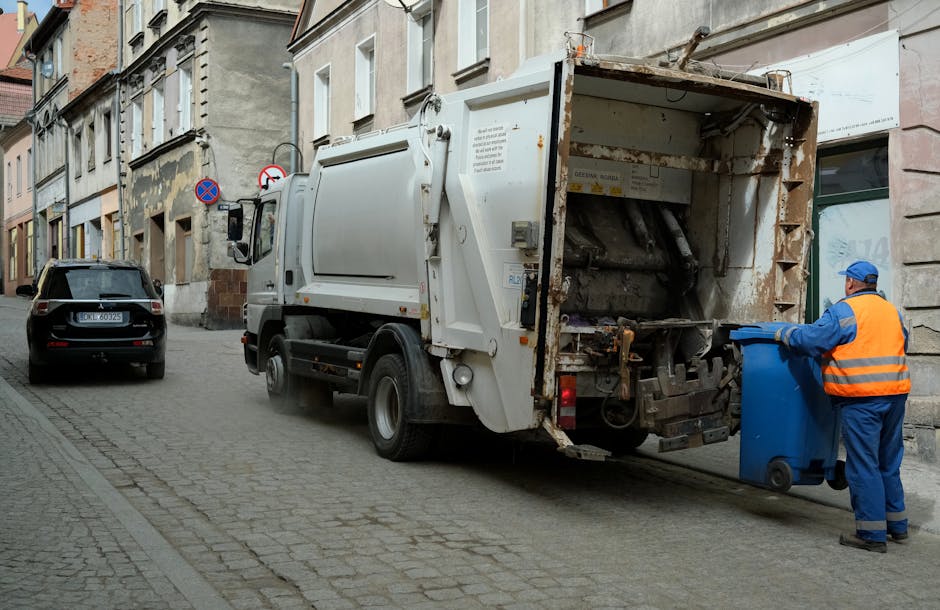
Why Elephant and Castle station bulky rubbish pickup options Matters
Elephant and Castle is a busy part of south London with a mix of flats, offices, shared homes, student lets, and commercial spaces. That mix matters because bulky rubbish is rarely a neat, single-category problem. One household may be replacing a bed and wardrobe. A shop may be clearing packaging, display units, and damaged stock. A landlord may need a quick turnaround between tenancies. Each scenario needs a slightly different pickup solution.
Location matters too. Around the station, you have the usual city realities: limited waiting space, traffic that never seems to fully disappear, and buildings where moving items through communal areas can be tricky. If you are reading this because you are also sorting a move or renovation, you may find related context in this local guide to living in Elephant and Castle and the broader view in the Elephant and Castle housing market article. Both help explain why waste removal here often needs a bit more planning than the average suburb.
There is also a standards issue. Bulky waste is not just about getting rid of things; it is about doing it responsibly. You want items removed safely, the right materials separated where possible, and no dodgy shortcut that leaves you worrying later. Nobody wants the sort of collection that feels convenient for ten minutes and awkward for the next ten months.
How Elephant and Castle station bulky rubbish pickup options Works
In simple terms, bulky rubbish pickup works by matching the type and volume of waste to the right collection method. For some people, that might mean a straightforward pickup of one or two large items. For others, it means a fuller service where several rooms are cleared in one visit. The key is to be realistic about the size, weight, access, and how quickly you need it gone.
Most local options fall into one of these practical categories:
- One-off bulky item pickup for items such as sofas, mattresses, wardrobes, exercise equipment, or white goods.
- General rubbish collection for mixed household waste that includes some bulky pieces.
- Waste removal for larger volumes or repeated loads from a home, rental, or business.
- House or office clearance when bulky waste is part of a wider clear-out.
- Specialist removal for builders' waste, garden cuttings, or items that need careful handling.
What happens on the day is usually quite direct. You book a time, explain what needs collecting, and confirm access details. The team arrives, assesses the load, removes the items, and takes them for sorting, reuse, recycling, or disposal depending on the material and condition. If you want a broader overview of how these services fit together, the services overview page gives a useful picture of the available options.
In local streets around the station, access can be the deciding factor. A top-floor flat with no lift is one thing. A basement office with tight corridors is another. A good pickup plan accounts for that before anyone turns up with a van and discovers the sofa is not leaving the building without a small battle. We have all seen that scene, or something close to it.
Key Benefits and Practical Advantages
The main benefit of arranging the right bulky pickup option is simplicity. You get the item or items removed without having to borrow a car, rent a van, split the load across several trips, or leave things sitting in the hallway while you wonder what to do next. That alone is worth a lot in a place as busy as Elephant and Castle.
Here are the practical advantages people usually care about most:
- Speed: A well-organised collection can clear the problem quickly, sometimes on short notice.
- Less physical strain: Heavy lifting is exactly where back injuries and damaged walls happen.
- Better access management: Useful for flats, managed buildings, and office spaces where common areas matter.
- Cleaner recycling outcomes: Reusable or recyclable items can be separated properly instead of simply being dumped in one mixed load.
- Reduced disruption: Handy if you are coordinating tenants, guests, staff, or a move-out date.
There is also a less obvious benefit: peace of mind. Once the bulky item is gone, the room starts feeling usable again. That old mattress in the spare room or the broken cabinet near the entrance stops dominating the space. Funny how one large object can make a home feel half-finished.
If your needs are broader than a single pickup, it can also be worth looking at a dedicated rubbish collection service in Elephant and Castle or even house clearance in Elephant and Castle when the job has grown beyond a few items. For business premises, office clearance may be the better fit.
Who This Is For and When It Makes Sense
Bulky rubbish pickup is not just for people moving house. In practice, it helps a wide range of residents and businesses around Elephant and Castle station.
- Tenants who need to remove furniture before the end of a tenancy.
- Landlords and letting agents dealing with left-behind items between occupiers.
- Homeowners upgrading furniture, clearing lofts, or emptying a room.
- Students or sharers who need a fast, affordable way to remove one or two large items.
- Businesses clearing filing cabinets, desks, shelving, or damaged stock.
- Builders and refurb teams who need a separate route for heavier, awkward waste.
If you are in the middle of a relocation, this sort of service often slots neatly alongside moving schedules, inventory checks, and final cleaning. If you are investing in the area, or managing a buy-to-let, the practical side of waste removal becomes part of the bigger picture too. The local property angle is discussed in this investment guide, which is useful if you want to understand how clearance decisions support faster turnarounds.
And if your day involves event planning, venue resets, or a temporary commercial setup, you may also find the event venues article helpful for recognising where same-day or next-day waste handling can really save the day.
Step-by-Step Guidance
Here is the simplest way to handle bulky rubbish near the station without overcomplicating things.
- Identify exactly what needs to go. List every item, not just the obvious one. That broken chair tends to become three broken chairs by the time you are done.
- Check access carefully. Note stairs, lifts, parking restrictions, loading points, and any building rules.
- Separate hazardous or restricted items. Paints, chemicals, batteries, and similar materials may need special handling and should not be mixed into general waste.
- Decide whether you need collection or clearance. If it is one mattress, a pickup may be enough. If the room is full, you may need something larger.
- Arrange a time that suits the building and the street. Busy roads and tight access windows around Elephant and Castle mean timing matters more than people expect.
- Prepare the items if possible. Remove loose contents, unplug white goods, and clear a route where you can.
- Ask how materials will be handled. Reuse, recycling, and disposal should all be part of the answer.
That last point is important. A decent service should be able to explain, in plain English, what happens to different waste streams. If a provider cannot tell you anything useful about sorting and disposal, that is a bit of a red flag, frankly.
For more specialised needs, the local pages on builders' waste disposal in Elephant and Castle and garden waste removal can help you choose the right route instead of booking the wrong one and paying twice. Not ideal. Not fun either.
Expert Tips for Better Results
A few small decisions can make a bulky pickup go much more smoothly.
- Measure large items before booking. Even rough dimensions help prevent surprises at the door.
- Take photos of awkward pieces. This is especially useful for stairwells, basement access, or items with unusual shapes.
- Group items by room. It speeds up loading and helps everyone stay organised.
- Keep mixed waste separate if you can. Clean wood, metal, textiles, and electrical items are easier to sort when they are not tangled together.
- Build in a little buffer time. Especially if you are moving house or handing back a property. A 15-minute delay can ripple into a much bigger mess.
One practical tip that often gets overlooked: if the item is in a shared building, let the concierge or managing agent know early. That tiny step can avoid a lot of awkwardness on the day. A hallway full of furniture and confused neighbours is nobody's idea of progress.
If you are trying to compare a few routes, the article on Walworth Road rubbish removal is a useful nearby reference because the same access and timing issues often apply around the station. Likewise, the New Kent Road junk collection guide covers a similar kind of urban collection challenge.
Common Mistakes to Avoid
Most problems with bulky rubbish pickup are avoidable. The frustrating part is that they are also predictable.
- Underestimating the volume. One sofa, two boxes, and a dismantled wardrobe can become a much larger load than expected.
- Forgetting access constraints. No parking, no lift, narrow stairs, and time-restricted loading zones can all slow things down.
- Mixing everything together. This can make recycling harder and increase the cost or complexity of removal.
- Leaving booking too late. Last-minute requests are possible, but they are never as calm as you would like them to be.
- Assuming all providers handle the same items. Bulky item pickup, mixed rubbish, and clearance work are not always interchangeable.
There is also a trust mistake: choosing a service without checking how they handle waste, safety, and documentation. Reputable operators should be able to explain the process clearly. If the explanation sounds vague, hurried, or oddly evasive, that is usually your cue to slow down.
Tools, Resources and Recommendations
You do not need fancy tools, but a few simple things make the job easier.
- Measuring tape: Useful for checking whether items will fit through doors and corridors.
- Basic inventory list: Helps keep the booking accurate and avoids missed items.
- Phone camera: Great for sharing access photos and item pictures ahead of time.
- Labels or masking tape: Handy for marking what stays and what goes during a clear-out.
- Sturdy gloves and safe footwear: Helpful if you are moving items to a ground-floor collection point yourself.
For service selection, it often helps to start broad and narrow down. If you are unsure whether you need pickup, collection, or a fuller removal, begin with the services overview. If you already know you need a waste-focused job, then the dedicated waste removal page is the more relevant next stop. And if you are trying to understand the business side of a quote, pricing and quotes is the obvious place to look.
There are also useful trust pages on the site, including recycling and sustainability, insurance and safety, and about us. Those pages help you judge whether the service feels organised and responsible, which matters a lot when you are letting people into your home or workplace.
Law, Compliance, Standards and Best Practice
When dealing with bulky rubbish in London, the big thing to remember is that waste should be handled by a responsible carrier and taken to an appropriate facility or reuse route. You do not need to become a waste-law expert overnight, but you should expect clear, lawful handling from any provider you use.
Good practice usually includes:
- Proper segregation of recyclable and non-recyclable materials where practical.
- Safe lifting and transport to reduce the risk of injury and property damage.
- Clear communication about what can and cannot be collected.
- Responsible disposal rather than simply dumping mixed waste.
- Suitable handling of special waste such as electrical items or materials from building work.
If you are clearing commercial waste or contractor debris, it is especially sensible to keep records of what has gone and when. A clean paper trail is not glamorous, but it helps. Same with knowing who entered the property and why. That kind of detail matters more than people realise.
For readers dealing with refurbishment or trade-related materials, the specialised builders' waste disposal service is worth considering because construction debris has its own handling expectations. For broader household clear-outs, the more general waste or house clearance route is usually better suited.
You should also review the provider's terms and conditions, payment and security, and privacy policy if you are sharing personal details. Small thing, perhaps. But it tells you a lot about how carefully a business handles the boring-but-important bits. And that usually reflects the rest.
Options, Methods and Comparison Table
Choosing the right bulky rubbish pickup option usually comes down to speed, volume, access, and how much sorting is needed. Here is a simple comparison to help.
| Option | Best for | Pros | Watch out for |
|---|---|---|---|
| One-off bulky item pickup | Single large items like a sofa, mattress, or wardrobe | Simple, quick, usually the least disruptive | May not suit mixed waste or several rooms of items |
| General rubbish collection | Mixed household waste with some large pieces | Flexible and practical for small to medium clear-outs | Can become inefficient if the job is larger than expected |
| Waste removal | Broader loads, repeated disposal, or mixed materials | Good balance of convenience and scope | Needs clear item listing to avoid confusion |
| House clearance | Full-property clear-outs or major transitions | Most thorough for large domestic jobs | Can be more than you need if it is only one or two items |
| Office clearance | Furniture, equipment, and workspace contents | Built for commercial access and operational timing | Make sure business items and confidential materials are handled properly |
A quick rule of thumb: if you can point to the pile and describe it in one sentence, you probably need pickup or collection. If you need three sentences, walk-through photos, and a clear-out plan, you are probably in clearance territory. Simple enough, really.
Case Study or Real-World Example
Imagine a tenant moving out of a flat a short walk from the station. They have a bed frame, mattress, two bookcases, and a broken desk that has been sitting there for ages. The lift is small. The stairwell turns sharply on the second floor. Parking outside is limited, and the handover date is the next morning.
In that situation, a one-item pickup would probably be too narrow, while a full house clearance would be more than is needed. The middle ground is a targeted waste removal collection with a clear list of items and access notes provided in advance. The provider arrives knowing what to expect, the load is removed in one go, and the tenant gets the flat back to a clean, empty state without juggling multiple trips.
Now compare that with a small office near Elephant and Castle station that is replacing old desks and shelving. The team might also have old monitors, packaging, and filing units. Here, the more suitable choice is often an office clearance or mixed waste removal job, because the priority is getting everything out quickly while respecting access times and other occupants in the building.
In both examples, the winning factor is not just speed. It is fit. The right method for the right load. That is what prevents mess, delay, and the slightly embarrassing feeling of paying for a service that was not quite the one you needed.
Practical Checklist
Use this checklist before booking Elephant and Castle station bulky rubbish pickup options:
- List every item that needs removing.
- Measure any oversized or awkward pieces.
- Check whether the building has lifts, stairs, or access restrictions.
- Confirm if parking or loading access is available nearby.
- Separate hazardous items from general waste.
- Decide whether you need pickup, waste removal, or clearance.
- Take photos of the items and access route if helpful.
- Ask how reusable or recyclable materials are handled.
- Review the booking details, timing, and payment terms.
- Make sure fragile areas, walls, and flooring are protected if needed.
If you are dealing with outdoor debris or shared communal spaces, you might also want to see whether garden waste removal or another specialised route is the cleaner fit. It sounds obvious, but choosing the right category saves time and avoids that awkward, "Oh, that is actually not what we meant" conversation on the day.
Get a free quote today and see how much you can save.
Conclusion
Getting bulky rubbish removed near Elephant and Castle station does not have to become a whole weekend drama. Once you understand the main pickup options, the access issues, and the difference between a simple collection and a more complete clearance, the decision gets much easier.
The best result usually comes from matching the job properly: one or two large items, a mixed load, a room-by-room clear-out, or a business clearance. That little bit of forethought can save money, reduce stress, and make the whole place feel lighter. And honestly, there is something quietly satisfying about seeing an old mattress, wobbling bookshelf, or battered office chair disappear from the room. A small relief, but a real one.
Take your time, choose the right service, and keep the process simple. That is usually the smartest way through it.



Copyright © . House Clearance Elephant and Castle. All Rights Reserved.