Heygate Estate house clearance and rubbish removal tips
Posted on 30/06/2026
If you are clearing a flat, sorting out a rental between tenants, or dealing with a full estate clear-out near Heygate Estate, the job can feel bigger than it looks at first glance. Boxes in the hallway, old furniture in the corner, a broken desk you meant to remove months ago... it adds up quickly. The good news is that with the right Heygate Estate house clearance and rubbish removal tips, you can make the process calmer, safer, and much more efficient.
This guide walks through what to do, what to avoid, and how to handle clearance work in a practical way that suits busy London living. It also covers planning, sorting, access issues, disposal choices, and a few local realities that matter more than people expect. Truth be told, a tidy plan saves a lot more time than a heroic last-minute rush.
Why Heygate Estate house clearance and rubbish removal tips matter
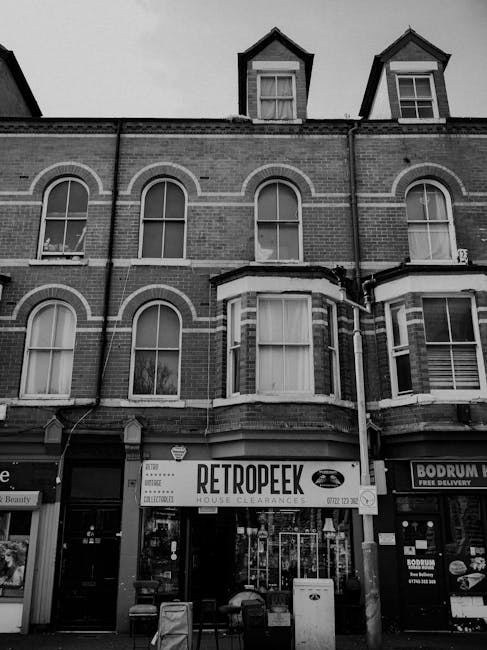
Heygate Estate sits in an area where flats, maisonettes, managed buildings, and tight access routes can make simple removal jobs unexpectedly awkward. A sofa that looks manageable on paper becomes a different story when you are carrying it down stairs, turning corners, and trying not to damage walls or shared areas. That is why a bit of planning matters.
House clearance is not just "getting rid of stuff". It usually involves separating items for reuse, recycling, donation, and disposal, while keeping the process safe and respectful for neighbours. In a shared residential environment, that last part is easy to underestimate. Stairwells, lifts, bin stores, parking bays, and loading times all shape the job.
Good rubbish removal advice also helps you avoid unnecessary costs. If you sort items properly, you may reduce the amount that needs manual handling or specialist disposal. If you identify bulky waste early, you are less likely to end up with a half-finished pile sitting in the front room while you wonder what to do next.
And there is a human side to it too. Clearance often happens during life changes: moving out, inheriting a property, downsizing, ending a tenancy, or helping a relative through a difficult period. When that is the context, a clear plan is more than organisation. It is a relief.
For broader local context, it can help to understand the area itself. Pieces like the Elephant and Castle area guide and the Elephant and Castle housing market overview show why access, property type, and turnover are all part of the story here.
How Heygate Estate house clearance and rubbish removal tips works
At a practical level, the process usually follows a simple sequence: assess, sort, remove, clean, and confirm disposal. The hard part is not the sequence itself. It is being realistic about volume, weight, time, and access.
1. Assess the space
Start by looking at every room, storage cupboard, loft area, hallway, and balcony if there is one. Make a rough note of bulky items, bags of mixed waste, electricals, furniture, and anything that needs special handling. If you have been living with clutter for a while, you may discover odd pockets of "temporary storage" that have quietly become permanent. Happens to everyone.
2. Decide what stays and what goes
This is where many clearances slow down. Use three simple groups: keep, donate/reuse, and remove. If an item has not been used in years and does not have a clear purpose, it probably belongs in the removal pile. That said, avoid rushing sentimental decisions. A clearance day is not the moment to make every choice in a panic.
3. Separate waste streams
Different materials should be handled differently where possible. Cardboard, paper, textiles, reusable furniture, metal, wood, and general rubbish should not all be thrown together if you can avoid it. Good sorting can improve recycling outcomes and make the job cleaner and faster. For a wider look at responsible disposal habits, see the site's recycling and sustainability approach.
4. Plan access and lifting
In estates and apartment blocks, access is everything. Check whether you need a lift booking, a parking plan, or protection for communal areas. Measure doorways if there is any doubt about large furniture. A wardrobe that is 2cm too wide is not "nearly fine". It is a problem.
5. Remove safely and legally
Safe lifting, correct vehicle loading, and proper disposal are all part of the job. Heavy items should not be dragged across floors or down stairs without thought. Sharp edges, broken glass, paint tins, and old appliances need extra care. If you are dealing with a full property clear-out, a dedicated house clearance service in Elephant and Castle can be a sensible route because it reduces the number of moving parts you have to manage yourself.
Key benefits and practical advantages
There are plenty of reasons people take a structured approach to clearance rather than just filling bin bags and hoping for the best. The advantages are practical, but they also show up in your stress levels. Which, let's face it, is no small thing.
- Faster turnaround: clear sorting and access planning reduce delays on the day.
- Lower risk of damage: hallways, walls, flooring, and lifts stay safer.
- Better recycling outcomes: separated materials are easier to divert from landfill.
- Less disruption to neighbours: especially important in dense residential blocks.
- More accurate quotes: when items are counted properly, estimates are more reliable.
- Cleaner final result: once bulky items are out, it is easier to deep clean or redecorate.
There is also the emotional benefit of seeing a space breathe again. A cleared room feels different at 8am on a quiet weekday than it does at midnight when you are surrounded by boxes and old chair legs. You notice the light more. You hear the place settle. Small thing, but it matters.
If you are comparing service types, the broader services overview can help you understand how house clearance fits alongside other removal options.
Who this is for and when it makes sense
Heygate Estate clearance and rubbish removal advice is useful for a wide range of people, not just landlords or people moving house.
- Tenants leaving a flat with furniture, bags, or mixed junk to clear.
- Landlords preparing a property for new occupants.
- Homeowners doing a declutter before renovation or sale.
- Executors or relatives managing an inherited property.
- Letting agents needing a fast turnover between tenancies.
- Small businesses clearing storage, office furniture, or archive waste nearby.
It also makes sense if you are dealing with a time-sensitive situation. Maybe the inventory checkout is tomorrow. Maybe builders are due next week. Maybe the estate agent has arranged photos and the spare room still looks like a furniture warehouse. In those moments, a methodical approach pays off quickly.
For office-related clear-outs, the local office clearance option is worth considering if your job is more desks, monitors, and paperwork than sofas and wardrobes.
Step-by-step guidance
If you want the process to stay under control, work through it in order. Rushing around with no plan always feels productive for the first half-hour, then gets messy.
- Walk the property room by room. Make a note of everything that needs to go, including items in cupboards, lofts, and out-of-sight corners.
- Identify anything sensitive. Documents, keys, photos, medicines, financial papers, and personal data should be removed first.
- Separate reusable items. Good furniture, working appliances, and cleaner household goods may be suitable for reuse or donation.
- Bag and bundle smaller waste. Keep loose rubbish contained so it is easier to carry and count.
- Measure bulky items. Check widths, stair turns, and lift dimensions before moving anything large.
- Check access and parking. Think about loading space, entry restrictions, and any building rules.
- Prepare the route out. Clear the hallway, protect surfaces if needed, and remove trip hazards.
- Load by weight and shape. Heavy items first, fragile items protected, awkward items secured.
- Confirm final sweep. Look in cupboards, under beds, and behind doors before finishing.
- Finish with a proper clean. Even a quick sweep makes the room far more usable immediately.
If you are dealing with garden debris as part of the same job, a separate garden waste removal service may be more appropriate for soil, branches, cuttings, and old outdoor furniture.
One helpful habit: place a "not sure" box in the middle of the room. If you keep picking up the same object and wondering about it, it goes in the box. Review it later. It saves mental energy, and that counts for a lot.
Expert tips for better results
These are the small things that make a noticeable difference. None of them are flashy, but they make the day smoother. In our experience, that is usually what people remember most.
Label by destination, not just by room
Instead of writing "kitchen" or "bedroom" on bags, label them "recycle", "charity", "general", or "keep". It sounds obvious, but it avoids confusion once items start moving.
Take photos before and after
Not for social media. Just for record-keeping, especially if you are a landlord, tenant, or managing an estate. A few photos can settle any later debate about condition or volume.
Deal with the easiest items first
Quick wins create momentum. Old cardboard, loose bags, and lightweight clutter often disappear fast and make the space feel more manageable.
Protect shared areas
Stair rails, corners, and lift walls take a beating during removal jobs. A little care with blankets, guards, or careful carrying avoids awkward repair conversations. Nobody wants that.
Keep one "do not move" zone
If there are items you need to review later, keep them in one clearly separate spot. Scattering them around the flat makes the clearance feel unfinished for longer than it needs to.
If your clear-out is happening near a more active street route or mixed-use area, local guides such as the Walworth Road rubbish removal guide and the New Kent Road junk collection article can offer useful local context.

Common mistakes to avoid
Most clearance problems are avoidable. They usually come from underestimating the job or treating all waste as the same thing. That shortcut tends to bite later.
- Leaving sorting until the end: mixed piles take longer to process and are harder to manage.
- Ignoring access issues: a lift booking or parking plan should not be an afterthought.
- Forgetting hidden storage: cupboards, balconies, and under-bed spaces are easy to miss.
- Overfilling bags: heavy bags split, slow the job, and create lifting risks.
- Moving hazardous items carelessly: broken glass, sharp metal, and chemicals need extra caution.
- Not checking building rules: communal property often has its own expectations for noise and access.
- Leaving the final sweep too late: small items get forgotten when everyone is tired.
Another classic mistake? Assuming one van load will do "probably". It might, but "probably" is a weak plan when the flat is full of furniture and old boxes from three different rooms. Be honest with yourself about the volume.
Tools, resources and recommendations
You do not need a warehouse full of gear, but a few sensible tools make clearance work far easier.
- Heavy-duty sacks and boxes: for sorted small items and loose rubbish.
- Work gloves: useful for sharp edges, dust, and awkward surfaces.
- Trolley or sack truck: especially helpful for books, appliances, and boxed items.
- Labels or marker pens: keep piles organised and avoid re-sorting later.
- Basic cleaning kit: broom, dustpan, cloths, and a bin liner roll.
- Measuring tape: surprisingly helpful for doors, hallways, and furniture.
If you want to understand how pricing is usually approached, the pricing and quotes information is a useful starting point. It is better to ask for clarity early than to guess and hope the final number feels reasonable.
For people who prefer to use a professional team and want to know more about the company approach, the about us page gives a useful sense of how the business is framed, while the payment and security page is helpful if you are checking how transactions are handled.
Law, compliance, standards, or best practice
Clearance and rubbish removal are not just practical tasks; they also sit within common UK waste-handling expectations. You do not need to memorise legislation to make good decisions, but you should keep a few principles in mind.
Duty of care matters. In simple terms, waste should go to the right place and be handled responsibly. If you hand rubbish to someone, it is sensible to know they are properly set up to deal with it. That is especially true for mixed loads, furniture, electrical items, and builders' waste.
Some items need special care. Paints, chemicals, batteries, sharp metal, old electricals, and damaged glass should not be treated like ordinary household waste. If in doubt, separate them and ask for guidance rather than stuffing them into a general bag. Bit of caution now can save a lot of hassle later.
Safety comes first in shared buildings. Respect neighbours, avoid blocking exits, and keep communal areas clean during removal. If a property has building rules or access procedures, follow them. That is just good practice, even before you get to formal requirements.
Recycling should be genuine, not assumed. If an item can be reused, repaired, or recycled, it should be treated with that possibility in mind. The site's recycling and sustainability guidance is a helpful reminder that better disposal choices are often simpler than people think.
For builders' waste, use the right route. Bricks, plasterboard, timber offcuts, and renovation debris are a different animal from standard household rubbish. If your clearance overlaps with renovation work, the dedicated builders' waste disposal page is more relevant than a generic clearance approach.
Options, methods, or comparison table
There is no single best way to clear a property. The right choice depends on volume, timing, access, and how much you want to do yourself.
| Method | Best for | Pros | Trade-offs |
|---|---|---|---|
| Self-clearance | Small loads, low urgency | More control, can be cheaper if you already have transport | Time-consuming, physically demanding, more planning needed |
| Mixed DIY + help | Medium-sized clear-outs | Flexible, good for sorting before removal | Still requires coordination and lifting effort |
| Professional clearance | Bulky items, tight timelines, estate clear-outs | Faster, safer, less disruption | Usually higher upfront cost |
For many people, the decision comes down to confidence and time. If you have two rooms of furniture, a tight deadline, and a building with awkward stairs, a professional option is often the calmer choice. If you only have a few bags and a small shelf unit, doing it yourself may be perfectly sensible.
It is also worth separating house clearance from rubbish collection. Clearance usually means handling contents from a property, while rubbish collection can be better for specific loads or one-off waste removal. The dedicated rubbish collection service and broader waste removal option may suit different situations, depending on what you are getting rid of.
Case study or real-world example
Here is a realistic example. A two-bedroom flat near Heygate Estate needed clearing after a long tenancy. The occupants had already removed most personal items, but the place still held an old sofa, a broken coffee table, two bookshelves, several bags of mixed clutter, and a stack of cardboard from furniture deliveries. Nothing dramatic. Just enough to become a headache.
The first useful step was to sort the small items into keep, recycle, and remove. That took about half an hour, but it saved a lot more later. The second step was measuring the sofa and shelving so the team knew what would fit through the doorway without a struggle. That sounds obvious, but it stopped a nasty surprise at the front room door.
The third step was protecting the hallway and planning the exit route through the building. That mattered because the block had shared circulation space and a narrow turn near the lift. The final result was a clean flat, a tidy communal route, and no frantic search for missing keys or forgotten paperwork. Small miracle, really.
What made the biggest difference was not speed. It was order. Once the items were grouped properly, the clearance felt less like a crisis and more like a task with a beginning and an end. That shift changes everything.
Practical checklist
Use this before the removal day. It keeps things steady.
- Walk through every room and storage space.
- Remove documents, valuables, keys, and medicines first.
- Sort items into keep, donate/reuse, recycle, and dispose.
- Separate electricals, sharp items, and anything potentially hazardous.
- Measure large furniture and check access routes.
- Confirm building rules, parking access, and lift use if applicable.
- Pack smaller waste into manageable bags or boxes.
- Label piles clearly so nothing gets mixed up.
- Protect floors, walls, and communal areas where needed.
- Do a final room-by-room sweep before finishing.
A tiny bit of structure here saves a surprisingly large amount of effort later. One more check, one more look in the cupboard, and yes, the old charger finally turns up. It always does, usually at the end.
Conclusion
Heygate Estate house clearance and rubbish removal tips are really about making a difficult job simpler, safer, and less wasteful. If you plan the sort, check access early, separate reusable items, and stay realistic about volume, the whole process becomes much more manageable. That is true whether you are clearing a family flat, a rental property, or just reclaiming space that has got a bit out of hand.
Use the practical steps in this guide, lean on the right service when the job calls for it, and do not leave the awkward bits until the final hour. That final hour is rarely kind. The better move is to start calmly, stay organised, and treat the clear-out like a sequence of small jobs rather than one giant one.
Get a free quote today and see how much you can save.
And if you are in the middle of a big clear-out right now, take a breath. It is manageable, honestly. One room at a time gets you there.



Copyright © . House Clearance Elephant and Castle. All Rights Reserved.