Walworth Road rubbish removal guide for Elephant and Castle
Posted on 09/06/2026
If you live, work, or trade around Walworth Road, rubbish removal can get awkward fast. One chair becomes two. A broken wardrobe waits by the hall. Then there's the box room full of old paint tins, packaging, and bits you meant to deal with last month. This Walworth Road rubbish removal guide for Elephant and Castle is here to make the whole thing simpler, safer, and less time-consuming. You'll find out what usually needs clearing, how local rubbish removal works, what to watch out for, and when it makes sense to book a professional team instead of trying to wrestle everything yourself on a rainy Tuesday evening.
Elephant and Castle sits in one of London's busiest, most practical corridors, and that matters. Access, parking, flat layouts, narrow stairwells, mixed-use buildings, and ongoing renovation work can all affect how waste gets out the door. So this isn't just a generic "get rid of junk" article. It's a local guide built around the real-life stuff people run into on and around Walworth Road.
If you want a broader view of the service landscape, it can also help to read the site's services overview and the page on waste removal in Elephant and Castle.
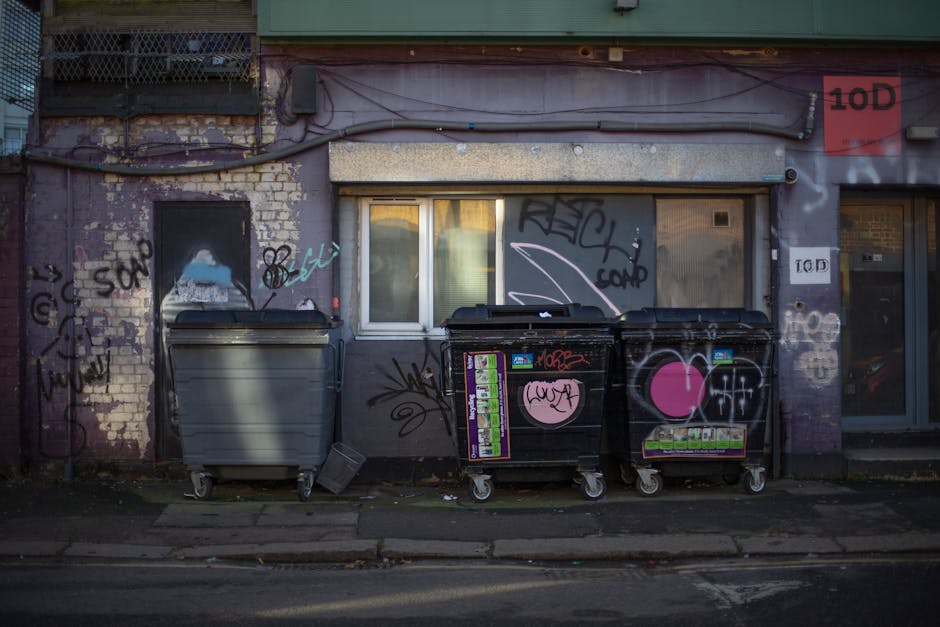
Why Walworth Road rubbish removal guide for Elephant and Castle matters
Walworth Road is one of those stretches where waste builds up quickly because life is busy and the buildings work hard. Shops refresh stock. Flats change hands. Small offices upgrade furniture. Renovations start with optimism and end with a pile of dusty offcuts, old fixtures, and packaging that somehow multiplies overnight. To be fair, that's normal in a dense London area.
What makes rubbish removal here especially important is not just the volume of waste, but the logistics. A large item left in the wrong place can block a shared hallway or attract complaints from neighbours. Bagged rubbish left too long can become a trip hazard, a smell issue, or an eyesore. And if you are managing a move, a refurbishment, or a tenancy handover, delay can turn into stress very quickly.
There's also a practical money angle. A tidy, organised clearance is usually easier to quote accurately than a last-minute "we need it all gone today" scramble. That's one reason many people compare options before booking, often alongside related services such as house clearance in Elephant and Castle or office clearance in Elephant and Castle.
And then there's the bigger picture. Good rubbish removal supports recycling, reduces fly-tipping risk, and keeps a high-footfall area looking like somewhere people actually want to live and work. Simple idea, real impact.
Expert summary: On Walworth Road, the best rubbish removal plan is the one that fits access, timing, building rules, and waste type. If you get those four things right, the rest becomes much easier.
How Walworth Road rubbish removal guide for Elephant and Castle works
Most rubbish removal jobs in this part of London follow a fairly straightforward pattern, but the details matter. A good service normally begins with understanding what needs removing, where it is, and how easy it is to collect. That may sound basic, yet those are the things that usually change the price, the vehicle needed, and the time on site.
In a typical scenario, you describe the load. That might include mixed household junk, furniture, white goods, old office items, or light builder's waste. The provider then works out whether the waste can be taken in one visit, whether a van is enough, or whether a larger clearance team is more sensible. If there are stairs, no lift, awkward parking, or a long carry distance, that should be taken into account too.
For example, a first-floor flat near Walworth Road may be simple enough if the items are small and bagged. But a two-bedroom flat with a bed frame, a wardrobe, a broken sofa, and a few bulky boxes? That's different. The job becomes more about safe movement, route planning, and avoiding damage to walls or communal areas. Honestly, that part is where experience pays off.
Some customers also need waste sorted by type. Green waste, builders' rubble, electrical items, and household junk may not all be treated the same way. If you have mixed waste from a property refresh, you might also want to look at builders' waste disposal in Elephant and Castle or garden waste removal in Elephant and Castle depending on what's in the pile.
What happens next is usually simple: the waste is loaded, separated where appropriate, and taken away for disposal, reuse, or recycling. A well-run operation should explain what it can take, what it can't, and how it handles anything that needs special treatment. That clarity is worth a lot, especially if you're juggling a move or a project deadline.
Key benefits and practical advantages
Choosing a proper rubbish removal solution around Walworth Road is about much more than convenience, though convenience is a big part of it. The real benefits show up in time saved, less disruption, and cleaner handovers.
- Speed: Waste can often be removed far faster than self-hauling, especially if you don't have a van or the time to make multiple trips.
- Less physical strain: Bulky furniture and heavy bags are no joke, especially in narrow stairwells. Your back will thank you.
- Reduced stress: You avoid the headache of parking, loading, disposing, and working out where everything belongs.
- Better presentation: Important for lettings, sales, office moves, or keeping a property respectable during works.
- More responsible disposal: A proper service should sort materials sensibly and aim for reuse or recycling where possible.
- Safer handling: Sharp edges, broken glass, old fixings, and electrical items are less likely to cause injury when handled by people who do this regularly.
There's also a less obvious benefit: decision-making becomes easier. Once you know what type of waste you have, the job becomes clearer. A few items of furniture? One approach. A cleared-out office after a refit? Another. That is why many people start by reading the broader recycling and sustainability guidance before booking anything.
In short, rubbish removal done properly doesn't just remove clutter. It restores usable space. And in a busy London location, space is valuable. Very valuable.
Who this is for and when it makes sense
This guide is useful if you're dealing with any of the following: a flat clear-out, end-of-tenancy waste, office furniture removal, leftover renovation debris, garage clutter, garden waste, or a "we've ignored this corner for too long" sort of situation. That last one, frankly, is more common than people admit.
Walworth Road rubbish removal makes sense when:
- the waste is too bulky or awkward for normal bins;
- you don't have a vehicle that can safely carry it;
- you need the area cleared quickly;
- the property has limited access or tight parking;
- you want sorting and disposal handled in one go;
- you are preparing a property for sale, letting, or refurbishment;
- you're trying to avoid fly-tipping mistakes or overfilling communal bins.
It is also a good option if you are managing a business move. Offices in and around Elephant and Castle often generate more waste than people expect: old desks, redundant screens, packaging, filing cabinets, printer carcasses, and all the random extras that gather in cupboards. If that sounds familiar, the site's office clearance service may be more relevant than a simple one-off collection.
For property owners and landlords, there's a slightly different angle. Fast, tidy removal can help reduce turnaround time between tenancies. That matters in a district where demand and movement can be lively, as explored in the related article on the Elephant and Castle housing market.
Step-by-step guidance
If you want the process to run smoothly, it helps to treat rubbish removal as a small project, not an emergency. A little planning goes a long way. Here's the practical flow we recommend.
- Identify the waste
Walk through the property and separate everything into rough categories: furniture, general rubbish, recyclables, electricals, garden waste, and building debris. - Decide what stays and what goes
It sounds obvious, but it saves mistakes. Put aside anything that's being kept, donated, sold, or reused. Confusing the piles is how useful items disappear by accident. - Check access
Measure doorways if you're dealing with bulky pieces. Think about stairs, lift access, loading bays, and where a vehicle can stop safely. - Estimate volume honestly
People often underestimate how much space waste takes up. One dismantled wardrobe looks small until it's on the landing. - Ask about restrictions
Some materials need special handling. Paint, gas cylinders, certain electronics, and anything hazardous may need separate arrangements. - Book a suitable service
Choose a rubbish removal option that matches the job size and waste type. Not every collection is the same, and that's fine. - Prepare the area
Clear a path, remove obvious obstacles, and keep fragile items away from the working route. It helps the crew work faster and keeps your property safer. - Confirm what will happen to the waste
Good practice means clear communication about loading, disposal, and recycling wherever appropriate.
If you're unsure whether the waste is domestic or commercial in nature, or whether you need a collection or a full clearance, the rubbish collection page is a useful place to compare the service style. Simple jobs can stay simple. No need to turn everything into a saga.
Expert tips for better results
Here's where a bit of practical know-how pays off. After enough clearances, a few patterns become obvious.
First, sort before the crew arrives. If you can separate obvious recyclables, soft furnishings, and general junk, the job becomes more efficient. Even if the team re-sorts on site, your own preparation helps.
Second, take photos of the waste from a couple of angles. This is especially useful if you're requesting an estimate. A single photo can hide half the pile, and no one enjoys misunderstandings at the kerbside.
Third, think about timing. Early starts are often easier near Walworth Road because access can be less crowded. Midday can be fine too, but around local traffic peaks things get more fiddly. It's not dramatic, just London being London.
Fourth, keep recycling in mind. If you can separate cardboard, metal, reusable furniture, or clean wood, it can improve how waste is processed. For more on this, the site's recycling and sustainability page is worth a look.
Fifth, don't leave hazardous items until the last minute. Paints, solvents, sharps, or anything questionable should be discussed early. The wrong item in the wrong load can slow everything down. Nobody wants a surprise halfway through a collection.
Sixth, protect communal areas. In blocks of flats, hallways and lifts need a bit of care. A folded blanket, careful lifting, and a sensible route can prevent avoidable damage and awkward conversations with neighbours.
Small tip, but a useful one: if you can stand in the doorway and see a clear path to the waste, collection day usually goes much more smoothly. If you can't, tidy first.

Common mistakes to avoid
A lot of rubbish removal problems are preventable. Most are not dramatic, just annoying. The sort of thing that turns a quick job into a long one.
- Underestimating volume: Bags, boxes, and broken furniture occupy more space than they appear to at first glance.
- Mixing waste types: If everything goes into one pile without thought, sorting later can slow the job and raise questions.
- Ignoring access: A van may be able to get close, or it may not. Parking assumptions are where many plans wobble.
- Forgetting building rules: Some flats and managed properties have specific timings, lift rules, or loading instructions.
- Leaving items in shared spaces: Hallway storage can cause complaints fast, especially in busy buildings.
- Choosing on price alone: Cheap looks attractive until the service is vague, slow, or poorly managed.
- Not asking about recycling: If the provider doesn't explain how waste is handled, that is worth a follow-up question.
One of the most common slip-ups is trying to "make do" with several small trips when the job really needs one proper clearance. It feels cheaper at the start. Then the petrol, parking, time, and tiredness kick in. And suddenly it isn't cheaper at all.
Tools, resources and recommendations
You do not need specialist equipment for every clearance, but a few basics make a big difference. Heavy-duty bin bags, gloves, sturdy boxes, tape, a marker pen, and a trolley or sack barrow can help if you are sorting ahead of time. If you are dismantling anything, keep the screws and fittings in labelled bags. Future-you will appreciate that, even if present-you is muttering under their breath.
For planning, a simple room-by-room list works well:
- Living room: sofas, tables, lamps, electronics
- Bedroom: mattresses, wardrobes, drawers, bags of clothing
- Kitchen: appliances, packaging, crockery, shelving
- Bathroom: cabinets, mirrors, old fixtures
- Office: desks, chairs, files, hardware
- Outdoor areas: plant pots, soil, cuttings, fencing offcuts
If your job is part of a wider move or refurbishment, the site's house clearance page can help you think through a fuller property clearance rather than just isolated rubbish removal. That is often the smarter route when a flat or house needs a proper reset.
And if you care about the process being handled responsibly, look closely at the company's wider information on about us, insurance and safety, and payment and security. Those pages don't just tick boxes. They tell you whether the business is set up to work in a calm, professional way.
Law, compliance, standards, or best practice
Rubbish removal in London sits within a broader framework of environmental responsibility and duty of care. You do not need to memorise legislation to book a collection, but you should expect proper handling, lawful disposal, and sensible sorting of waste. If a provider is vague about where waste goes or how it is handled, that is a warning sign.
In practical terms, best practice means the business should:
- carry waste away safely;
- avoid leaving a mess behind;
- separate materials where appropriate;
- handle electrical items and other sensitive materials responsibly;
- protect the property during loading;
- be clear about what it can and cannot take;
- be transparent about pricing and any restrictions.
If the job involves builders' waste, mixed renovation debris, or items that could be hazardous, it becomes even more important to ask the right questions upfront. A well-run provider should explain the process in plain English rather than hiding behind jargon. That's a decent sign, honestly.
For readers who want a bit more confidence around the company's broader standards, the pages on terms and conditions, privacy policy, cookie policy, and the accessibility statement are all sensible places to review. They show how the business approaches clarity and customer experience.
Options, methods, or comparison table
Not every situation needs the same solution. Sometimes a small collection is enough. Sometimes you really do need a full team and a proper clearance plan. Here's a simple comparison to help you choose.
| Option | Best for | Pros | Trade-offs |
|---|---|---|---|
| Self-removal | A few small items and access to a suitable vehicle | Can feel cheap if you already have transport | Time-consuming, physically tiring, parking and disposal still need planning |
| Rubbish collection | Mixed household waste, bagged items, smaller loads | Quick, practical, less effort from you | Not ideal for bigger clearances or highly mixed materials |
| Full waste removal | Bulky loads, repeated clearing, larger projects | Handles more waste in one go, better for bigger jobs | May feel like overkill for a tiny load |
| House clearance | Whole-property clear-outs, tenancy ends, bereavement, major downsizing | Most complete option, reduces stress | More involved, needs a careful plan |
| Office clearance | Business moves, fit-outs, redundant equipment | Designed for commercial spaces and bulkier items | Can require extra coordination around access and timing |
If you are weighing these up, the most useful question is not "which is cheapest?" It is "which one fits the job without creating more work later?" That tiny shift in thinking saves people a lot of hassle.
Case study or real-world example
Picture a small rented flat off Walworth Road. The tenant is moving out on a Friday. There's a sofa that won't fit the new place, two broken shelving units, a mattress, several bags of mixed clutter, and some old kitchen bits that have been living in a cupboard for years. Nothing dramatic. Just enough to make the place feel chaotic.
The first instinct might be to deal with it in stages: keep some items, dump others, maybe borrow a friend's van, then sort the rest next week. But next week often gets swallowed by work, weather, or sheer exhaustion. So the move drags on.
In a better plan, the waste gets sorted the day before. Furniture is separated from soft rubbish. Anything reusable is set aside. Access is checked, lift usage is confirmed, and the collection window is arranged so the property can be handed back clean and calm. The result? Less stress, fewer trips, and a much smoother final clean. Simple enough, but very effective.
That kind of scenario is why local knowledge matters. In Elephant and Castle, where buildings vary a lot and access can be tricky, a tidy process often matters as much as the collection itself.
Practical checklist
Use this quick checklist before arranging rubbish removal on or near Walworth Road:
- Have I identified exactly what needs to go?
- Are any items reusable, sellable, or worth donating?
- Do I know whether the waste is household, office, garden, or builders' waste?
- Have I checked stairs, lifts, door widths, and parking access?
- Are there any hazardous or restricted items in the pile?
- Have I removed anything I want to keep?
- Is the route from the waste to the exit clear?
- Do I know whether I need collection, waste removal, or a fuller clearance?
- Have I read the provider's service and policy pages?
- Do I have a realistic idea of the volume involved?
If you can tick most of those off, you are in good shape. If not, pause and sort first. It will save time later, and probably a bit of money too.
Get a free quote today and see how much you can save.
Conclusion
Walworth Road rubbish removal in Elephant and Castle is really about making a busy urban routine easier. Whether you are clearing a flat, a shop, an office, or a patch of garden waste, the best results come from a simple formula: know your waste, check access, choose the right service, and ask sensible questions before collection day.
The area moves quickly, and so do people's needs. A property that felt fine last month can suddenly need clearing now. That's life in a place like this. The good news is that with a bit of planning, the whole thing can be surprisingly straightforward. Almost boring, even. Which, in rubbish removal, is usually a good sign.
Take your time, sort carefully, and treat the job like a small project rather than a headache. You'll feel the difference the minute the space opens up again.


Copyright © . House Clearance Elephant and Castle. All Rights Reserved.